Language of instruction
English is the language of instruction
Classes, projects and the Capstone Journal at Beni Suef are all in English. Students also study Arabic and a second foreign language.
Curriculum
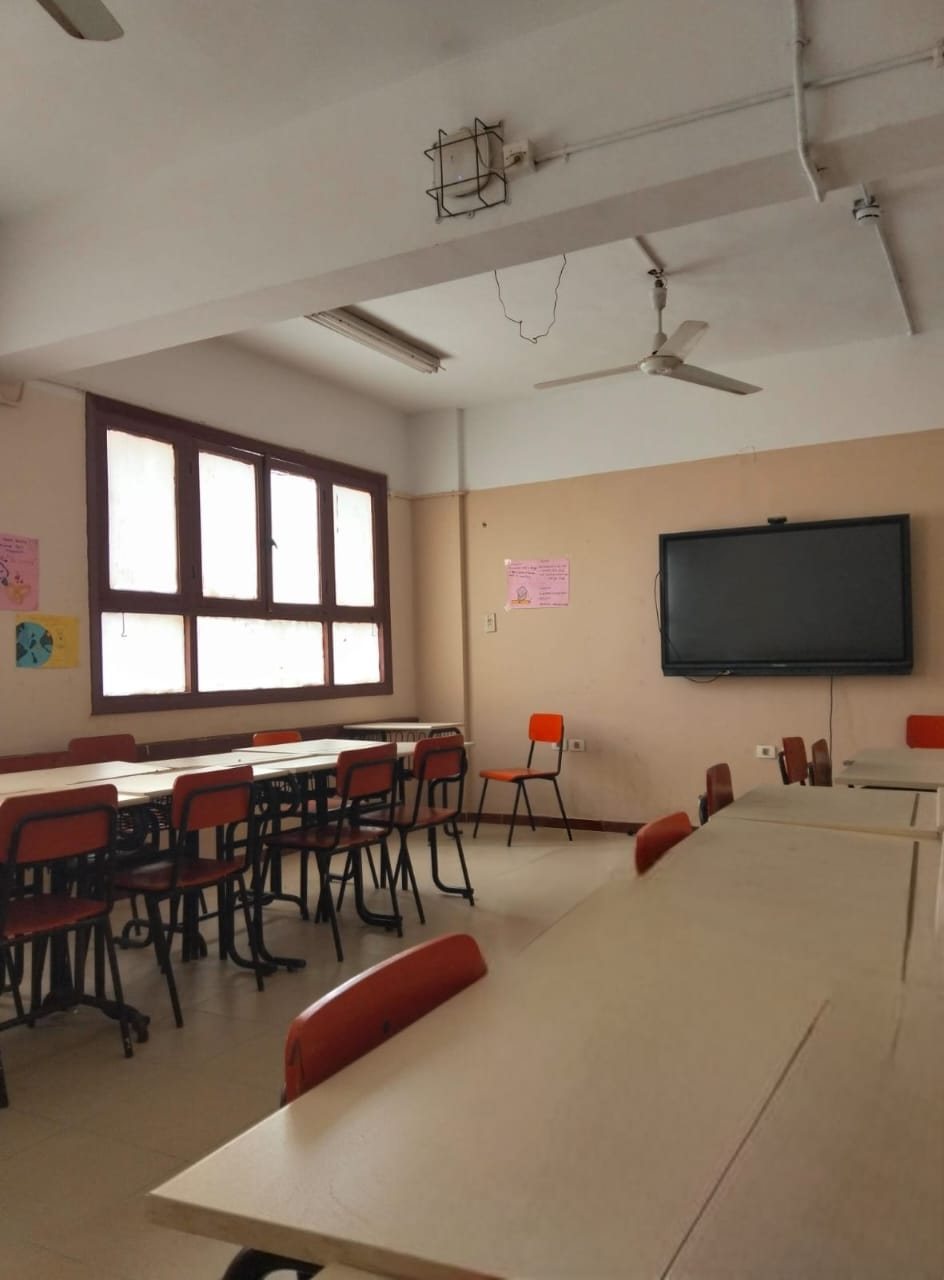
Our STEM-integrated, design-focused curriculum is driven by the Egyptian Grand Challenges. English is the language of instruction. Subject classes meet daily for 80 minutes, and Capstone classes meet for 80 minutes twice a week. The programme is deemed honors level, and no College Board Advanced Placement courses are offered. In grade 12, students choose one of two specialisations, Basic & Medical Sciences or Engineering & Computer Science, each with its own weekly timetable.
Course credits
Every subject is taught through the same integrated, project-based approach. Here is the credit weighting across grades 10 to 12:
| Course | Type | Credits |
|---|---|---|
| Arabic | Regular | 3 |
| Second Language | Regular | 3 |
| English | Honors | 2 |
| Mathematics | Honors | 3 |
| Geology | Honors | 4 |
| Biology | Honors | 4 |
| Chemistry | Honors | 4 |
| Physics | Honors | 4 |
| Mechanics | Honors | 3 |
| Religion | Regular | 2 |
| Social Studies | Regular | 3 |
| Civics | Regular | 3 |
| Technology | Regular | 2 |
| Total | 40 |
Course credit weighting as supplied by the school; cross-checked where possible against the STEM Egypt network site.
Capstone and student research
In teams, students complete five original engineering or experimental research projects across five semesters. Each is exhibited and graded by a panel of university professors. Once a week, every team travels to a partner university or research centre relevant to their project. Every project follows the Engineering Design Process:
- Find a solution
- Build a prototype
- Test it
- Redesign if needed
- Bring it to the real world
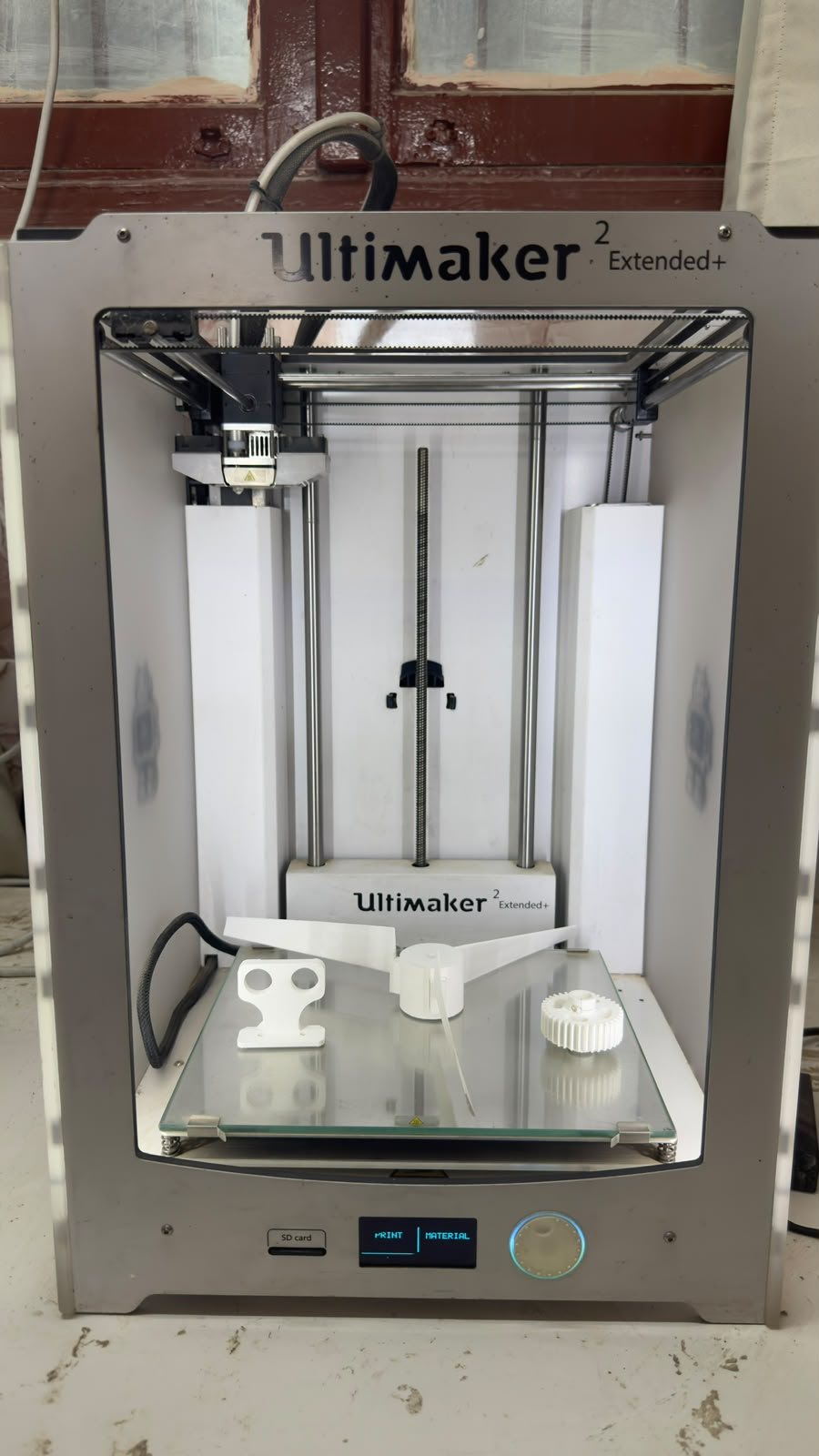
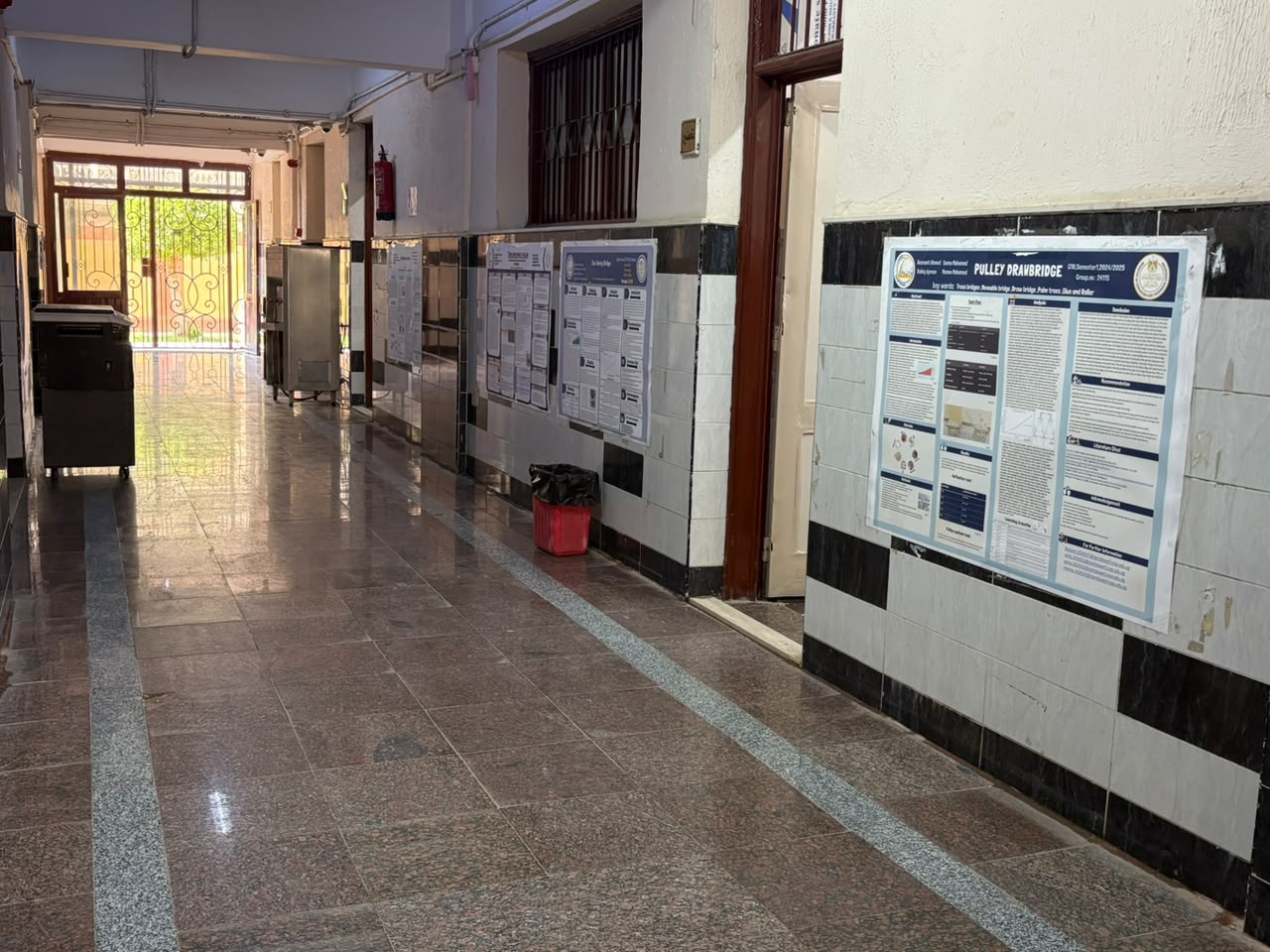
Capstone posters on our corridors
Finished Capstone posters line the school corridors, so students walk past the work of their classmates every day.
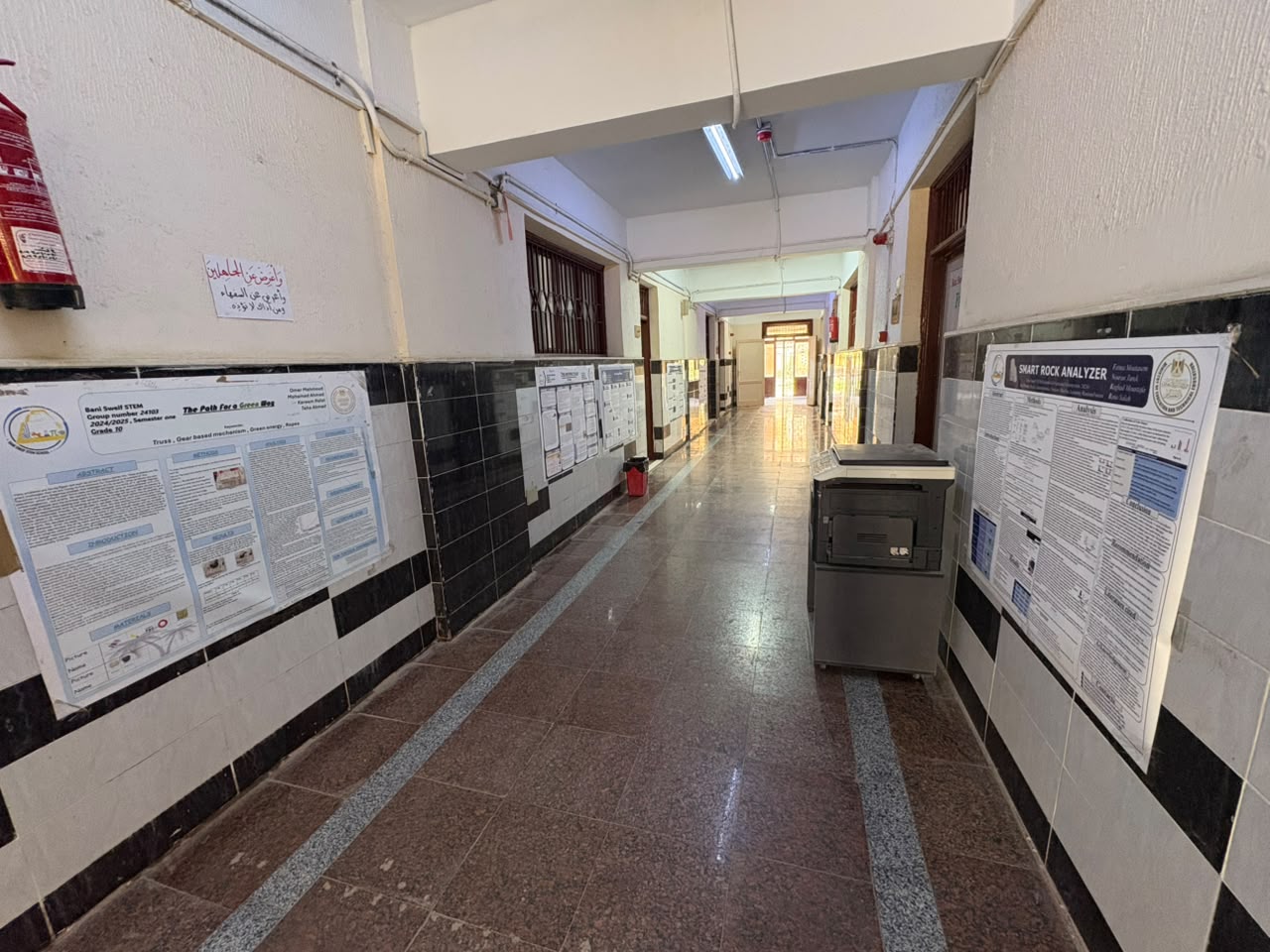
How the Capstone is graded
Under the Ministry’s framework for STEM schools (Decree #382), a Capstone grade is built from four parts:
Journal
Every two weeks, each student answers three short written questions on their own: the problem, the solution, and how their school subjects connect to it. Up to 250 words each, in English, written like a short scientific report. It runs five times a semester and is marked against a rubric.
Poster
A clear, visual summary of the project, presented at the Capstone Exhibition.
Portfolio
The record of the team’s research: data gathered, solutions tried, and the one they chose.
Prototype
A small, testable model of the team’s solution.
On this scale, 95–100% earns an A+ and 90–94% earns an A, matching the letter scale below.
Grading system
Beni Suef, like the rest of the STEM network, grades on a letter scale from A down to D. Anything below a D fails the course and shows as an F.
| Grade | Range |
|---|---|
| A+ | 95% to 100% |
| A | 90% to 95% |
| B+ | 85% to 90% |
| B | 80% to 85% |
| C+ | 75% to 80% |
| C | 70% to 75% |
| D+ | 65% to 70% |
| D | 60% to 65% |
| F | Below 60% |
Laboratories and FabLab
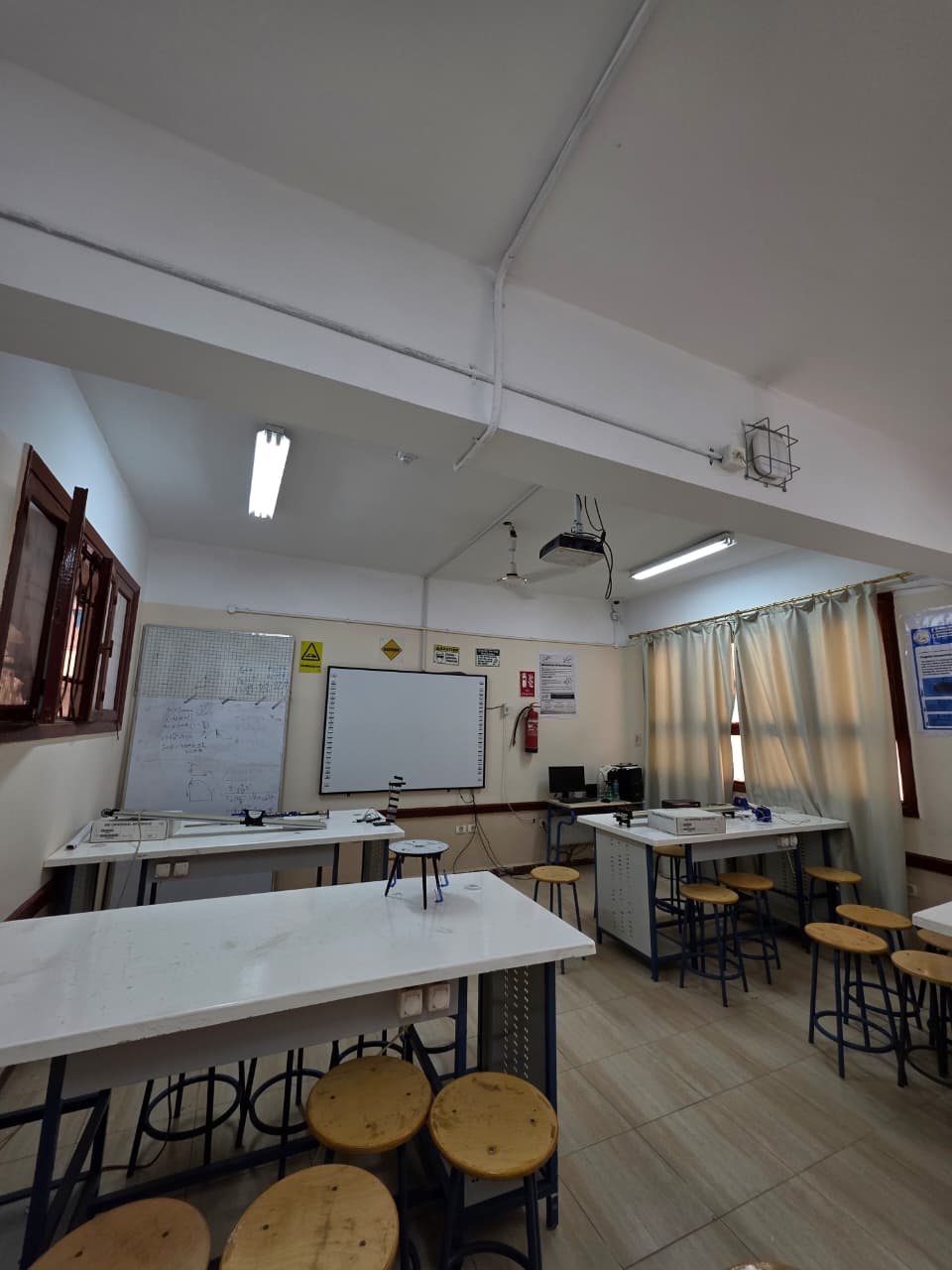
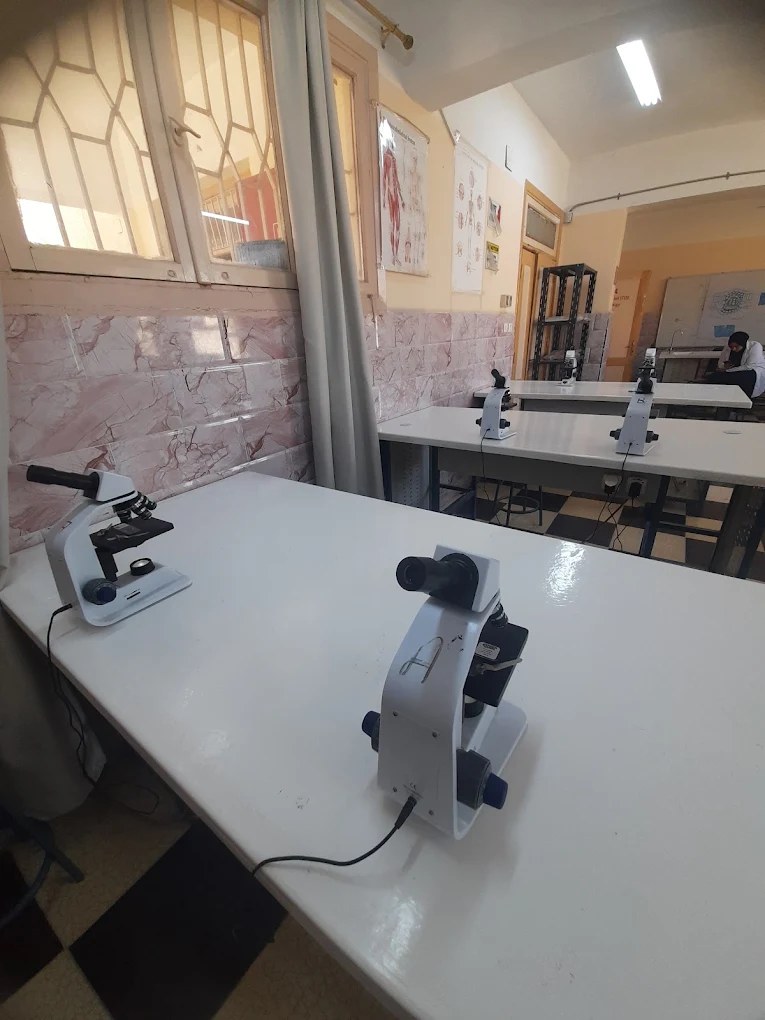
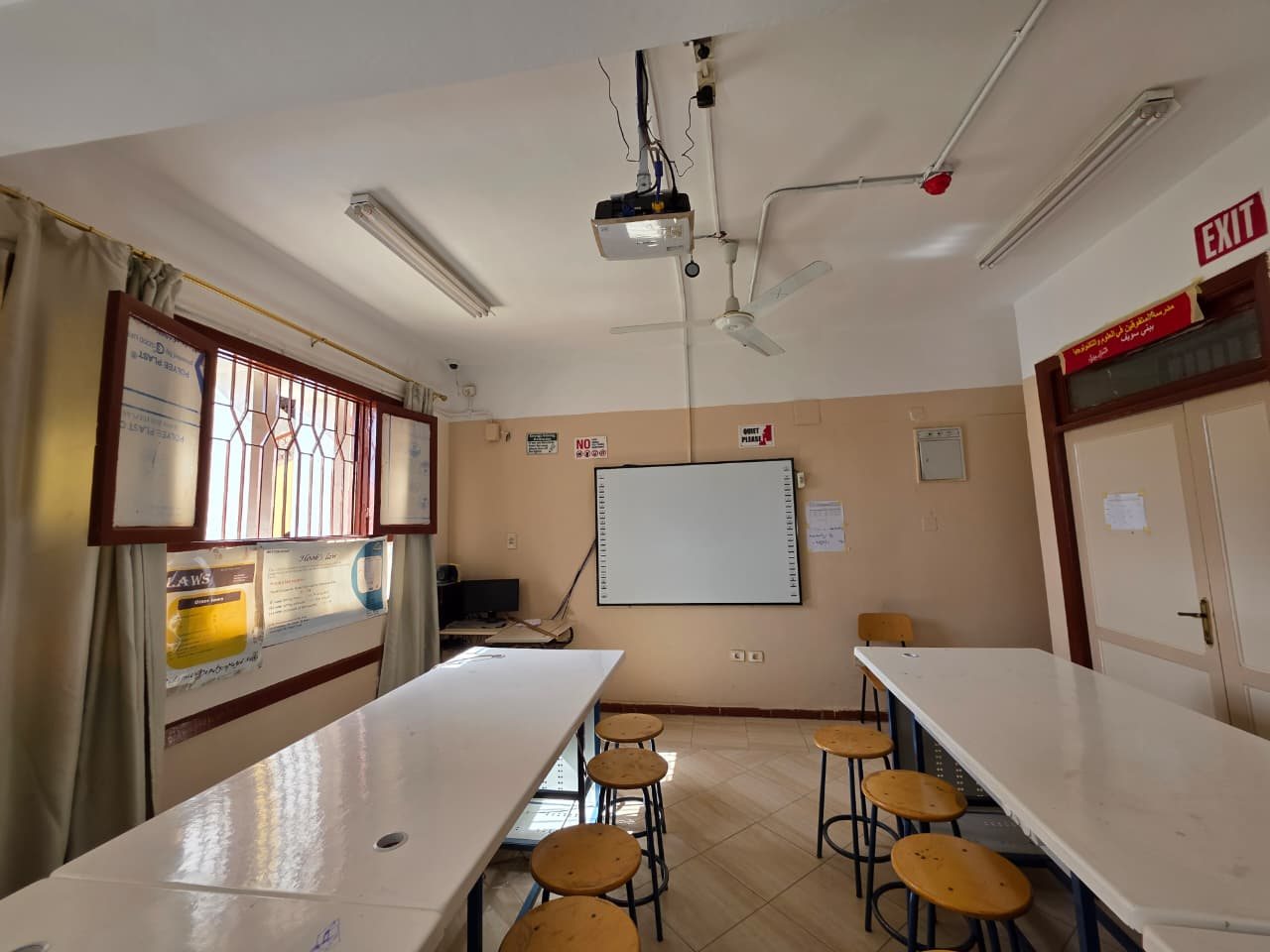
Biology, physics, math and mechanics, chemistry and geology each have their own lab, and the FabLab sits alongside them as an open makerspace. Much of the practical work done there feeds into the Capstone projects.
See the labsGrades and credentials
Students receive grades for both subjects and Capstone projects, converted to a 4.0 GPA scale for university applications. The STEM exit assessment is recognised by the Ministry in place of the national Thanaweya Amma exam.
Capstone rubric and grading weights: Hassan, Hassan & Muhammed, “Requirements of STEM Schools in Egypt,” Buhuth Journal, Vol. 5 (2025), citing Ministerial Decrees #382 (2012) and #308 (2013). Subject list confirmed by Merlino, 21st Century Partnership for STEM Education (2017).